
Why Does Breastfeeding Hurt? (And What to Do About It)
Aug 31, 2026Yes, breastfeeding is natural, but natural doesn't mean automatic. Like walking or talking, it's a skill you and your baby learn together, with practice and patience. What doesn't get talked about enough is that "practice" can come with wincing every time you latch baby or turn on your pump. If that's you right now, let's clear something up: occasional tenderness in the first couple of weeks is common, but pain is not something you're supposed to push through.
Whether you're nursing at the breast, exclusively pumping, or doing both, pain is your body's way of flagging that something needs adjusting. Here's what you want to check first.
First, What's "Normal"?
According to the Academy of Breastfeeding Medicine (ABM), mild nipple tenderness in the first one to two weeks postpartum, especially right at the start of a feed, is common as your body adjusts. What's not normal is pain that continues past two weeks, pain severe enough to make you dread feeding or pumping, or any cracking, bleeding, or blistering. ABM classifies this as persistent pain, and it's one of the most common reasons moms wean earlier than they planned to.
If You're Nursing: Check the Latch First
Baby should take a deep mouthful of breast tissue, not just the nipple, with lips flanged out and a rhythmic, comfortable suck-swallow pattern. A shallow latch (baby nursing on the nipple tip instead of drawing in the breast) is one of the most common causes of persistent nipple pain and damage, and it's fixable with hands-on repositioning, not something you have to live with.
A few things you can try to help baby get a deeper latch:
- Start every feeding skin-to-skin, so baby will be calm and root naturally
- Try laid-back breastfeeding, which lets baby use their own reflexes to find and latch onto the breast
- Keep baby tummy-to-tummy with you, not turned toward the ceiling
- Bring baby to the breast, not the breast to baby. If you're using a nursing pillow, use it to support your arms, neck and feet — not to prop up your breast to reach baby's mouth.
If you've worked on positioning and pain still isn't resolving within a couple of weeks, it's time to loop in an expert like an International Board-Certified Lactation Consultant rather than wait it out.
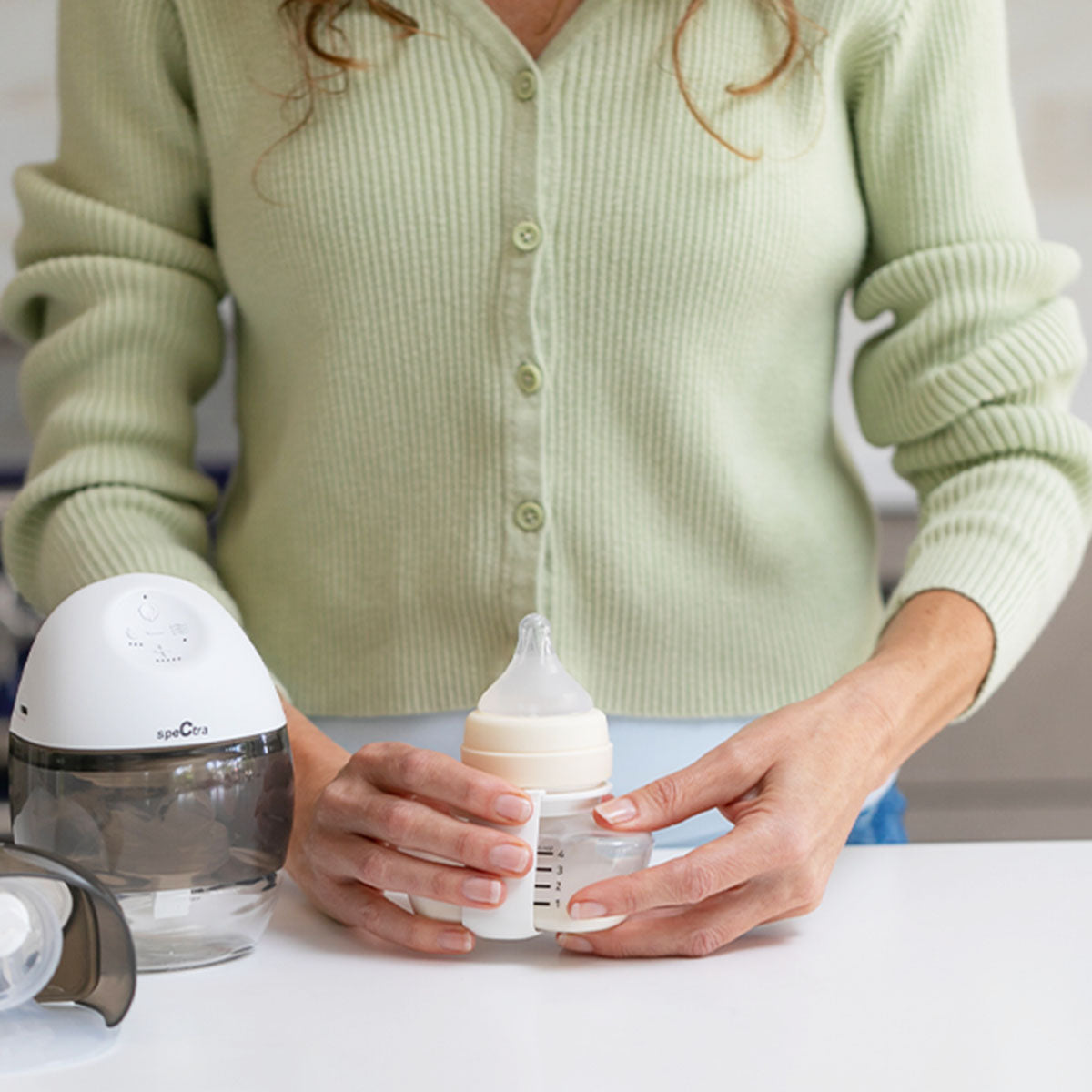
If You're Pumping: It's Usually Flange Fit or Suction
Pumping is breastfeeding, too, and it shouldn't hurt either. When it does, two culprits show up again and again:
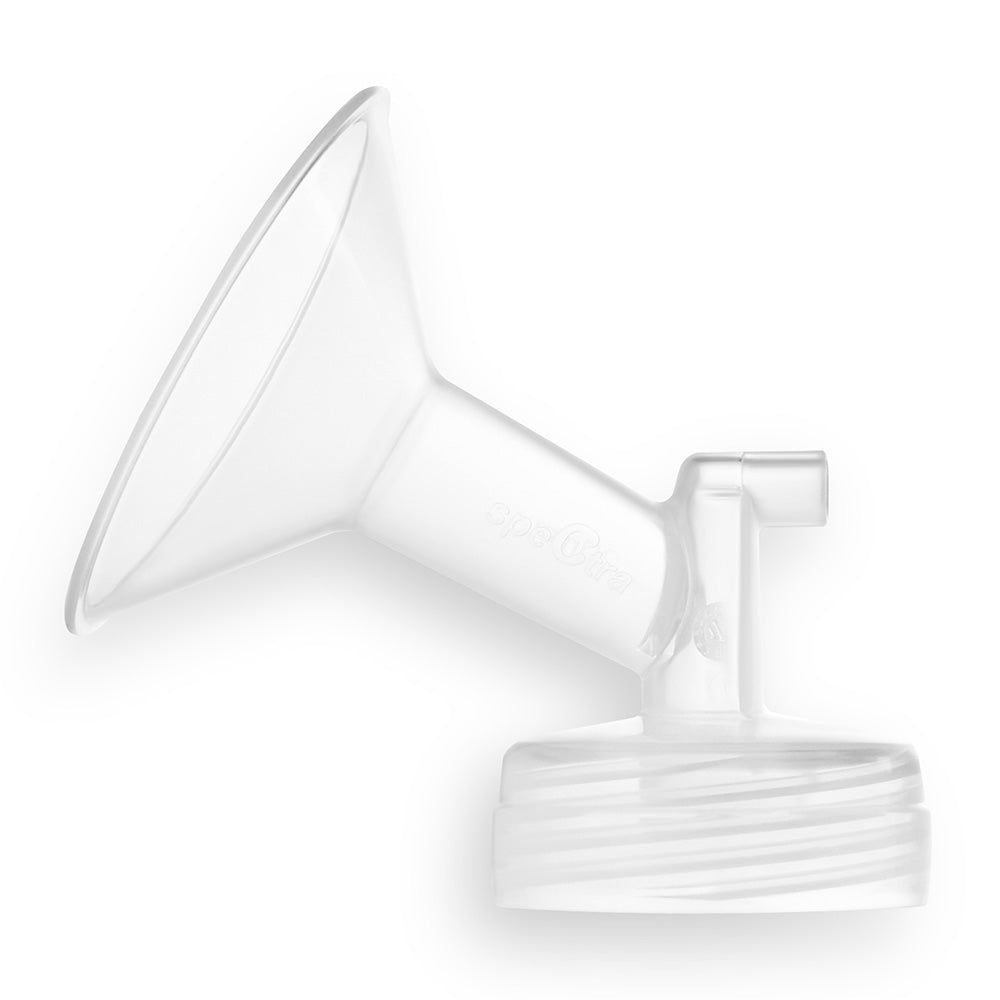
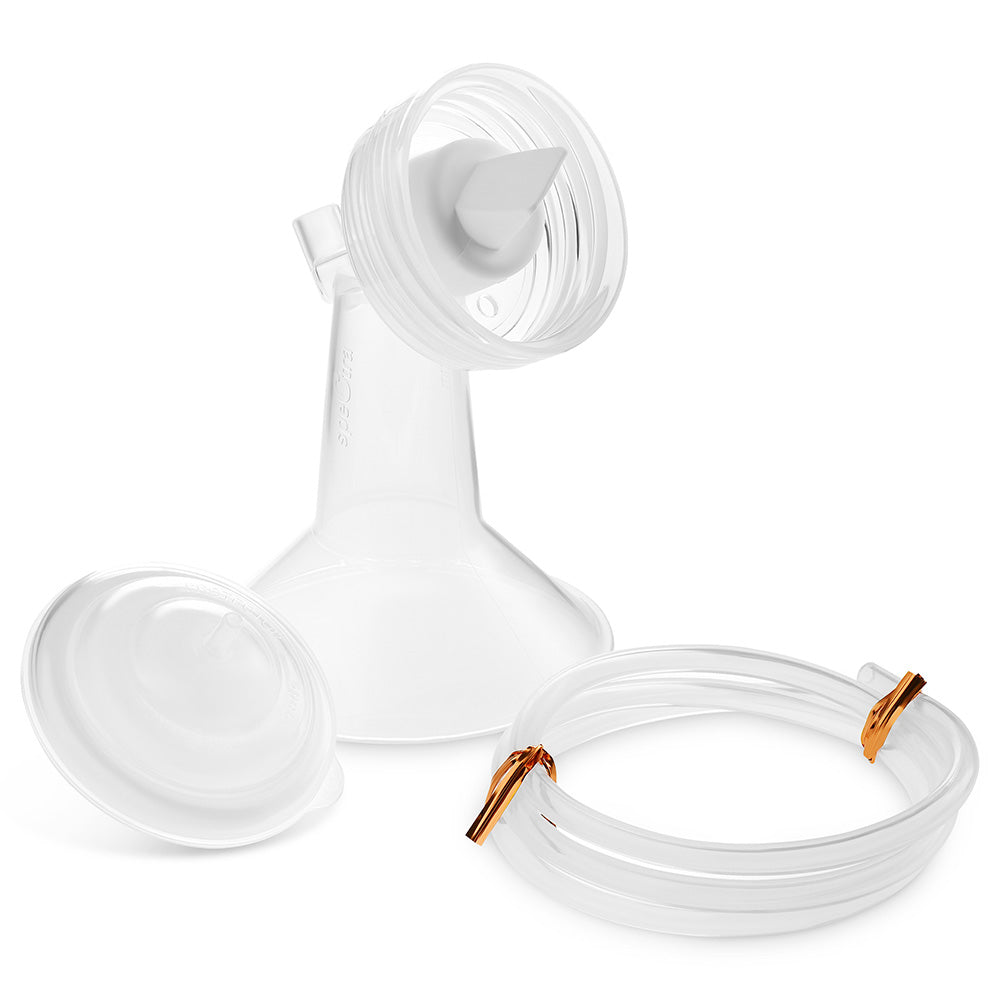
Flange size. A flange should fit your nipple diameter, not your areola, with just a tiny bit of wiggle room (2mm or so). Too small, and your nipple rubs and drags against the tunnel wall with every cycle. Too large, and your areola gets pulled in, causing swelling and irritation. If you're seeing discoloration, rings around the areola, or your output has dropped, flange fit is the first place to look. Spectra's flange sizing guide walks you through measuring at home, and they’ve responded to moms who needed a smaller fit by adding a 16mm for a more accurate, comfortable seal.
Suction that's too high. More vacuum doesn't mean more milk; it usually just means more soreness and more pain. Clinical guidance identifies three main sources of pump-related nipple and breast trauma: improper flange fit, excessive high-pressure suction, and prolonged pumping duration (Berens et al., 2016). Every Spectra pump automatically shuts off at 30 minutes, as a safety feature to prevent over pumping. Start on a lower, comfort-range vacuum (around 3–4), and stop increasing once you feel any pulling that crosses into pain.
When Pain Signals Something More
An unresolved latch, inconsistent milk removal, or pumping with the wrong flange size can all set the stage for bigger issues. That can feel like a warm, or tender area from plugged ducts, engorgement, or the early stages of mastitis. Current guidance describes these as existing on a spectrum rather than separate problems, and the management approach has actually shifted in recent years. Rather than "emptying" the breast, the current recommendation is to keep breastfeeding normally, hand-express only small amounts if you need comfort, and avoid pumping to fully drain the breast, since overuse of the pump can itself add to nipple and breast trauma. Ice, not heat, is now the go-to for comfort. Cold packs help constrict blood flow and calm inflammation, while heat can make swelling worse. Contact your provider if redness, fever, or flu-like symptoms develop (Mitchell et al., 2022).
The Bottom Line
Pain, whether at the breast or at the pump, is simply not normal, and getting support early makes all the difference. Most of the time, the fix is simpler than it feels at the moment: a latch adjustment, the right flange fit, or lowering your suction settings covers the majority of cases. If you've tried troubleshooting and you're still hurting, please don't wait it out. Connect with a Spectra Baby USA International Board-Certified Lactation Consultant at IBCLC@spectrababyusa.com.
Spectra Baby USA is here for you!
By Melissa Portunato MA, IBCLC
References
Berens, P., Eglash, A., Malloy, M., Steube, A. M., & the Academy of Breastfeeding Medicine. (2016). ABM Clinical Protocol #26: Persistent pain with breastfeeding. Breastfeeding Medicine, 11(2), 46–53. https://doi.org/10.1089/bfm.2016.29002.pjb
Mitchell, K. B., Johnson, H. M., Rodríguez, J. M., Eglash, A., Scherzinger, C., Zakarija-Grkovic, I., Cash, K. W., Berens, P., Miller, B., Gutierrez, S., Frank, S., & the Academy of Breastfeeding Medicine. (2022). Academy of Breastfeeding Medicine Clinical Protocol #36: The mastitis spectrum, revised 2022. Breastfeeding Medicine, 17(5), 360–376. https://doi.org/10.1089/bfm.2022.29207.kbm