

Can You Exclusively Pump and Still Have a Good Milk Supply?
Jul 2, 2026Are you exclusively pumping and wondering if you can really make enough milk?
If you've landed here, chances are you're already in the thick of it—watching the ounces in the bottle, second-guessing your schedule, and wondering if your body can keep up without a baby nursing at the breast.
Those worries are completely normal, and the good news is this: exclusive pumping can absolutely sustain a full milk supply once you understand what actually drives it.
Let's break down exactly how milk supply works for exclusive pumpers, what gets in the way, and what you can do to protect it.
How Milk Supply Works
Your body operates on a simple principle:
You need to move milk to make milk.
The more consistently and effectively milk is removed from your breasts, the more your body is signaled to produce. This is true whether milk is removed by a baby at the breast or by a pump.
The Academy of Breastfeeding Medicine confirms in Clinical Protocol #35 that when pumping fully replaces nursing, expression frequency should mirror normal feeding frequency—8–12 times per 24 hours—to help preserve milk production (Bartick et al., 2021).
The science is clear. The challenge is putting it into practice consistently while balancing the real demands of motherhood.
What Gets in the Way (And How to Fix It)
1. Inconsistent Pumping Sessions
This is the single biggest threat to milk supply for exclusive pumpers.
Unlike nursing, pumping requires setup, equipment, and planning—which means it's easy for sessions to get skipped, shortened, or spaced too far apart.
During the first 12 weeks postpartum, think of each pumping session as a supply investment. Missing one occasionally won't tank your supply, but a pattern of long gaps will signal your body to produce less over time.
Practical strategies to stay consistent:
- Treat pumping sessions like unmissable appointments and set phone alarms until it becomes routine.
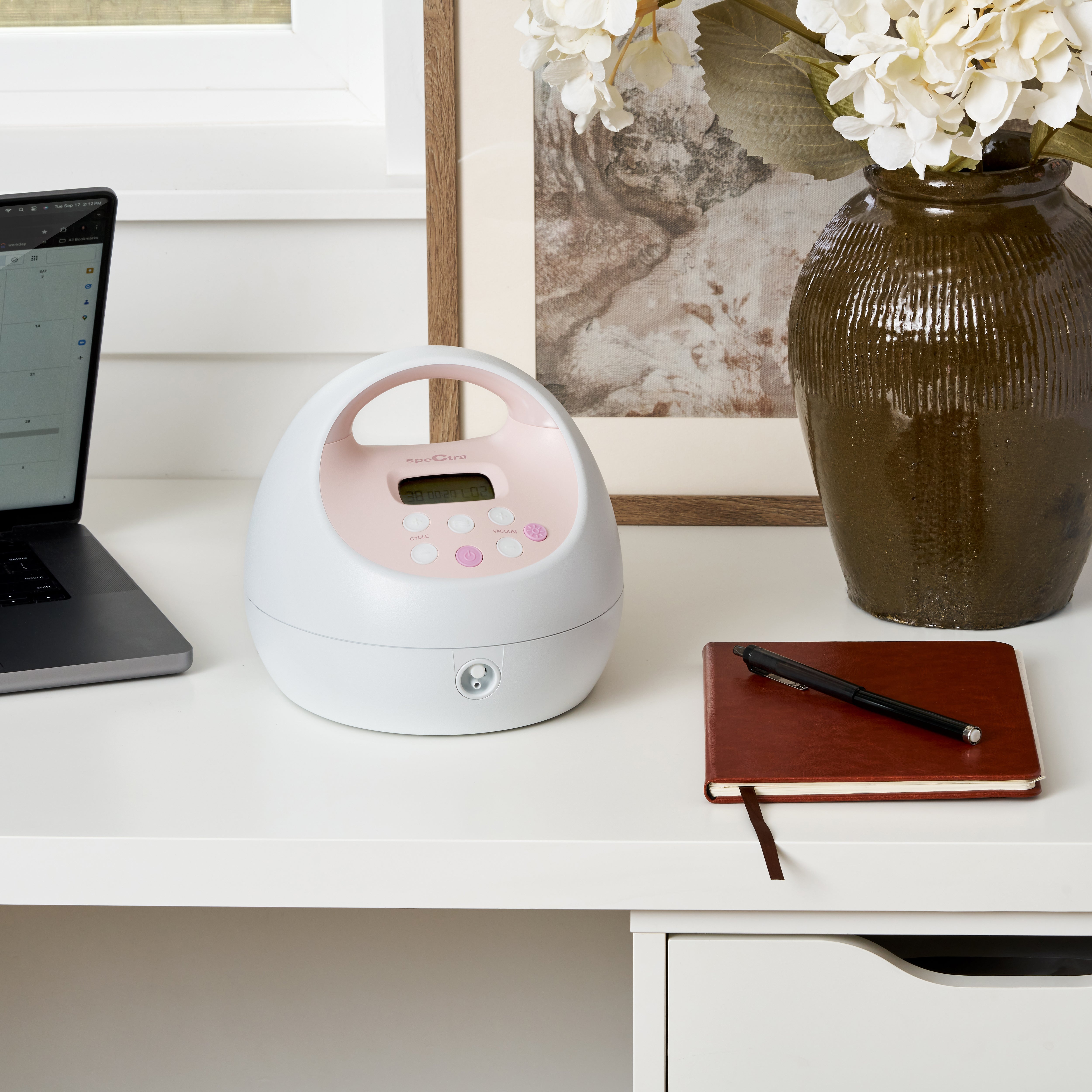
- The Spectra S1 Plus (rechargeable) and Spectra S2 Plus provide hospital-strength suction that effectively mimics the milk removal pattern of a nursing baby—critical for establishing supply during those early weeks.
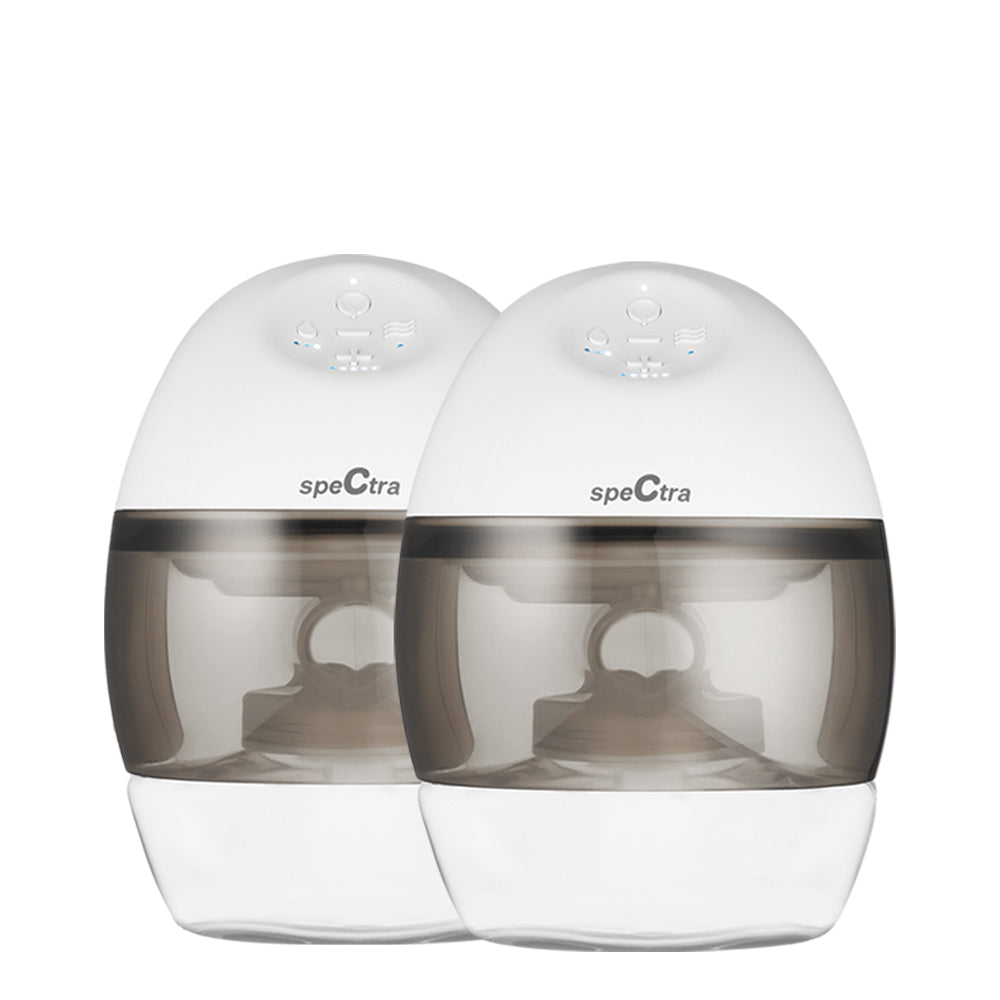
- Consider a Spectra wearable breast pump as a secondary pump for sessions when life doesn't pause. It fits inside your bra so you can move freely while pumping.
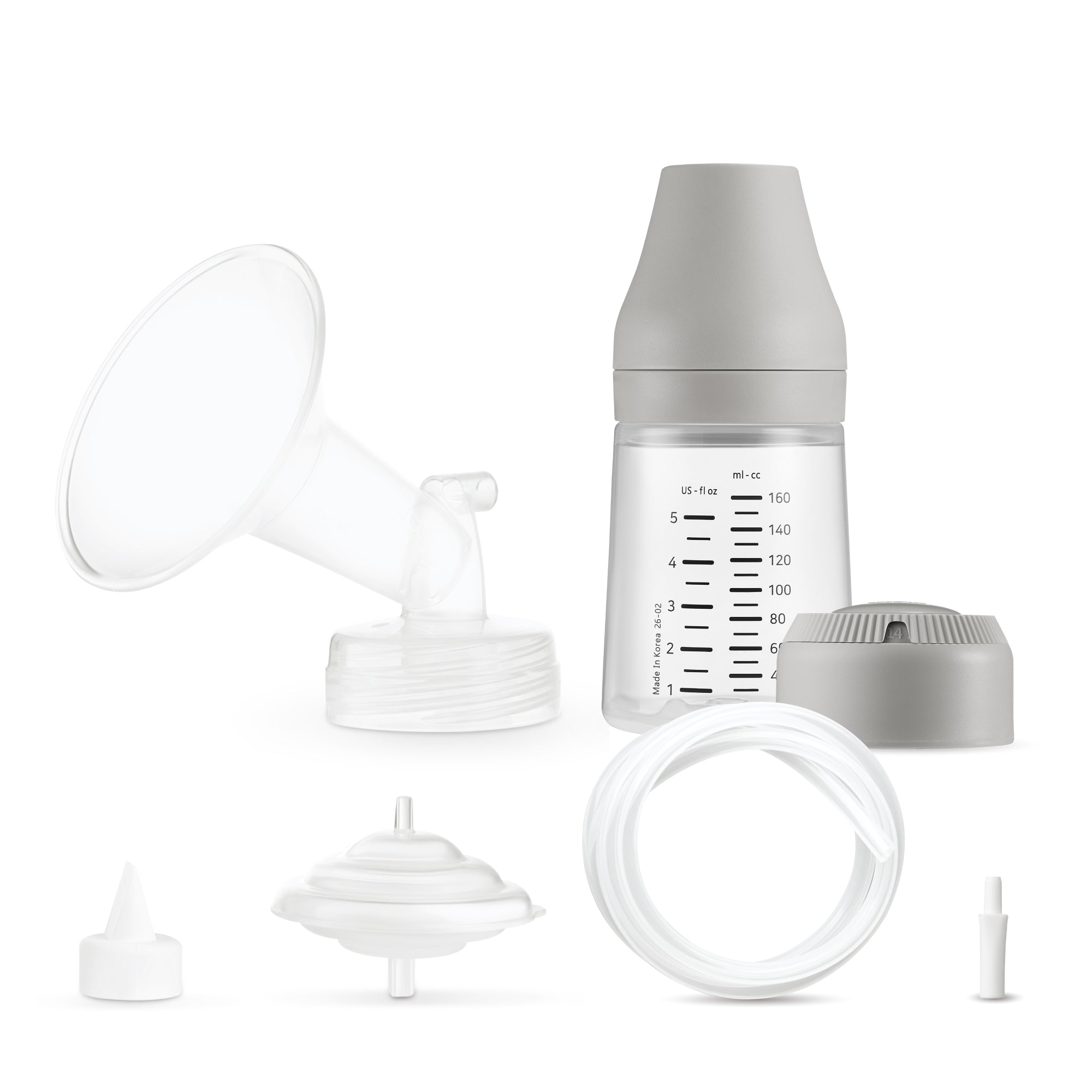
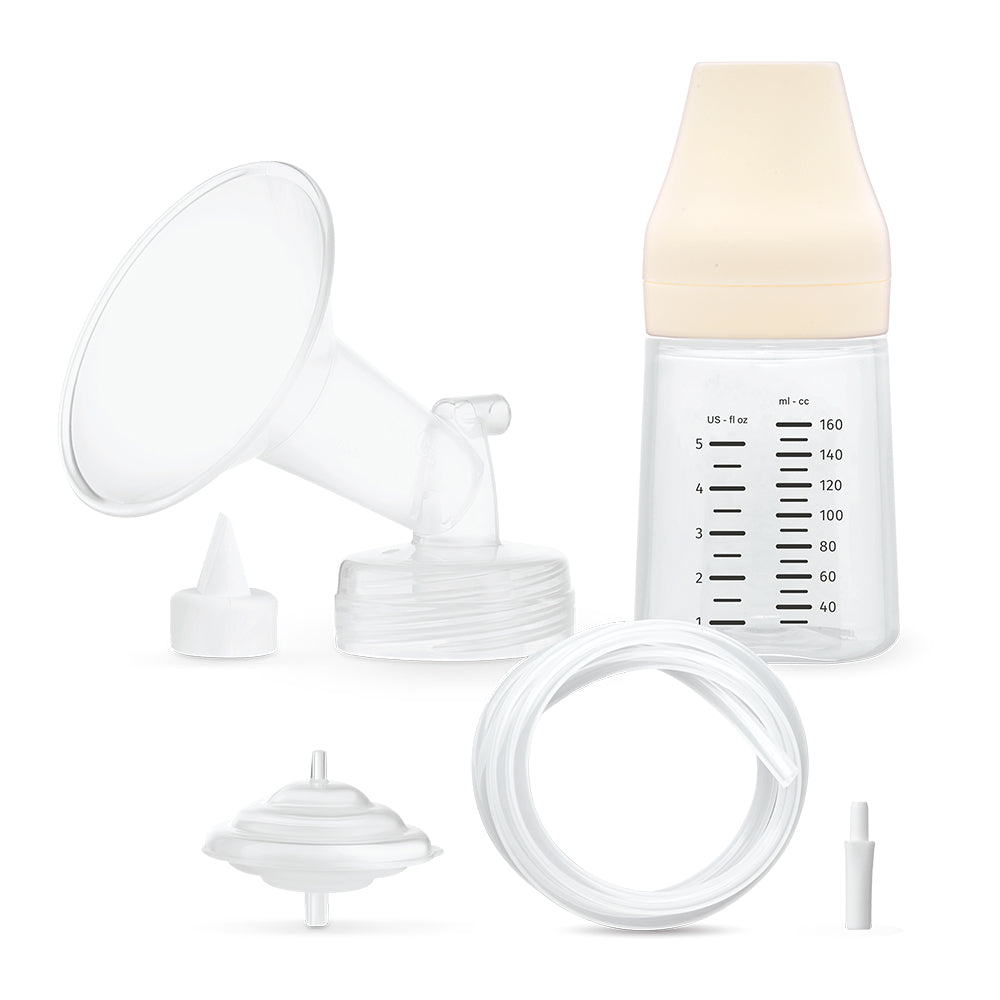
- Keep a spare set of pump parts at home and at work so a dirty or missing part never becomes a reason to skip a session.
2. Poor Flange Fit
A flange that doesn't fit properly can restrict milk flow, leave milk behind in the breast, cause pain, and over time signal your body to produce less.
Signs your flange fit may be off:
- Nipple rubbing against the tunnel walls
- Areola being pulled excessively into the tunnel
- Red ring around the areola
- Discomfort or pinching during pumping
- Suction breaking during pumping
- Milk pooling at the bottom of the flange
- Output that seems lower than expected
Getting properly sized can make a noticeable difference in both comfort and milk output.
Download our Free Flange Sizing Guide
3. Worn-Out Pump Parts
Pump parts wear out—and when they do, suction drops.
Reduced suction means less effective milk removal, which means your body gets a weaker signal to produce. Many moms troubleshoot their milk supply before ever checking their pump parts.
As a general rule:
- Replace duckbill valves every 4 weeks when pumping 8+ times per day.
- Replace backflow protectors every 3 months.
- Regularly inspect flanges and tubing for cracks, discoloration, or loss of flexibility.
If your output has dipped and nothing else has changed, fresh replacement parts should be your first stop.
4. Stress, Fatigue, and Burnout
Cortisol—the body's primary stress hormone—can temporarily interfere with the let-down reflex, making it harder for milk to release during a pumping session. Exhaustion only compounds this.
And let's be honest: exclusive pumping is hard work.
There are no days off, no shortcuts, and no one warns you about just how many pump parts you'll be washing.
Burnout doesn't just affect your mental health—it can also affect your milk output.
Ways to protect yourself and your supply:
- Share feeding responsibilities with a partner or support person so you can rest between sessions.
- Batch-wash pump parts once or twice a day instead of after every session.
- Use a hands-free pumping bra whenever possible so you can eat, fold laundry, or take a call while pumping.
- Look at photos or videos of your baby during pumping sessions to help encourage let-down.
- Stay hydrated and eat enough. Your body needs fuel to both make and release milk.
Are Output Fluctuations Normal?
Yes—completely.
Pump output naturally varies from session to session and day to day based on:
- Time of day
- Stress levels
- Sleep
- Time since your last pumping session
Morning sessions are typically the highest, while evening sessions tend to be lower.
What matters most is your total daily output, not what you pump during any single session.
Track your milk production over a full 24-hour period—not bottle by bottle. If your daily total remains consistent, your milk supply is doing its job.
The Bottom Line
Can you exclusively pump and maintain a good milk supply?
Absolutely.
Success comes down to having:
- The right breast pump
- The right flange fit
- Consistent pumping sessions
- The support you need
Your body is amazing. You simply need the right tools, education, and support to help make exclusive pumping successful.
So yes, mama—you can do this.
And every single pumping session counts.
Need More Pumping Support?
Visit the Spectra Mama Blog for expert advice from our IBCLCs. Or connect with a lactation consultant for personalized breastfeeding and pumping guidance.
Evidence-Based References
Bartick, M., Hernández-Aguilar, M. T., Wight, N., Mitchell, K. B., Simon, L., Hanley, L., Meltzer-Brody, S., Lawrence, M., & Academy of Breastfeeding Medicine. (2021). ABM Clinical Protocol #35: Supporting breastfeeding during maternal or child hospitalization. Breastfeeding Medicine, 16(9), 664–674.
https://doi.org/10.1089/bfm.2021.29190.mba
Uvnäs-Moberg, K., Ekström-Bergström, A., Buckley, S., Massarotti, C., Pajalic, Z., Luegmair, K., Kotlowska, A., Lengler, L., Olsson, P., Dencker, A., Goreishi, A., Bhanu, B., Engström-Öst, J., Hadjigeorgiou, E., & Kimber, L. (2020). Maternal plasma levels of oxytocin during breastfeeding—A systematic review. PLOS ONE, 15(8), e0235806.
https://www.ncbi.nlm.nih.gov/pmc/articles/PMC7406087/

Read More Posts

You did it! You grew a baby, you delivered a baby, and now your making milk for a baby! The first week with a newborn is magical and messy all at the same time, and whether you're scrolling this ...

Yes, breastfeeding is natural, but natural doesn't mean automatic. Like walking or talking, it's a skill you and your baby learn together, with practice and patience. What doesn't get talked abou...