

GLP-1 Medications and Breastfeeding
Apr 17, 2026Summer is around the corner — and for many new moms, that means beach trips, family vacations, and the desire to feel confident and healthy in your postpartum body. It's no surprise that GLP-1 medications like Ozempic, Wegovy, and Zepbound have become a hot topic, especially among moms eager to shed baby weight. But if you're breastfeeding, you're probably wondering: is it safe?
What Are GLP-1 Medications?
GLP-1 receptor agonists are medications originally developed for Type 2 diabetes that work by mimicking a natural hormone in your body to regulate blood sugar, slow digestion, and reduce appetite. They include well-known brands like Ozempic and Wegovy, which both contain semaglutide, as well as Mounjaro and Zepbound, which contain Tirzepatide.
What Does the Research Say?
The good news is that early research is encouraging. A 2024 study found that subcutaneous semaglutide was not detectable in the breast milk of nursing mothers who were using the drug. However, caution is still advised. The larger concern during breastfeeding is not drug exposure itself, but reduced calorie and nutrient intake due to appetite suppression. As we've shared before, breastfeeding mothers burn about 300–500 calories a day, and their diet needs to account for that. A medication that significantly curbs hunger could compromise your milk supply and the nutrient quality of your breast milk — especially in those critical early months.
Also worth noting, oral semaglutide formulations contain absorption enhancers that may enter breast milk and pose potential risks to nursing infants — so only injectable forms should be considered.
Overall, starting a GLP-1 medication while breastfeeding is not ideal but may be recommended in specific situations and working closely with your healthcare provider is always the best first step. It’s always best to focus on what you can control — nourishing your body well, staying hydrated, eating balanced, and protecting your milk supply by keeping up with your pumping routine.
Pump on the Go This Summer
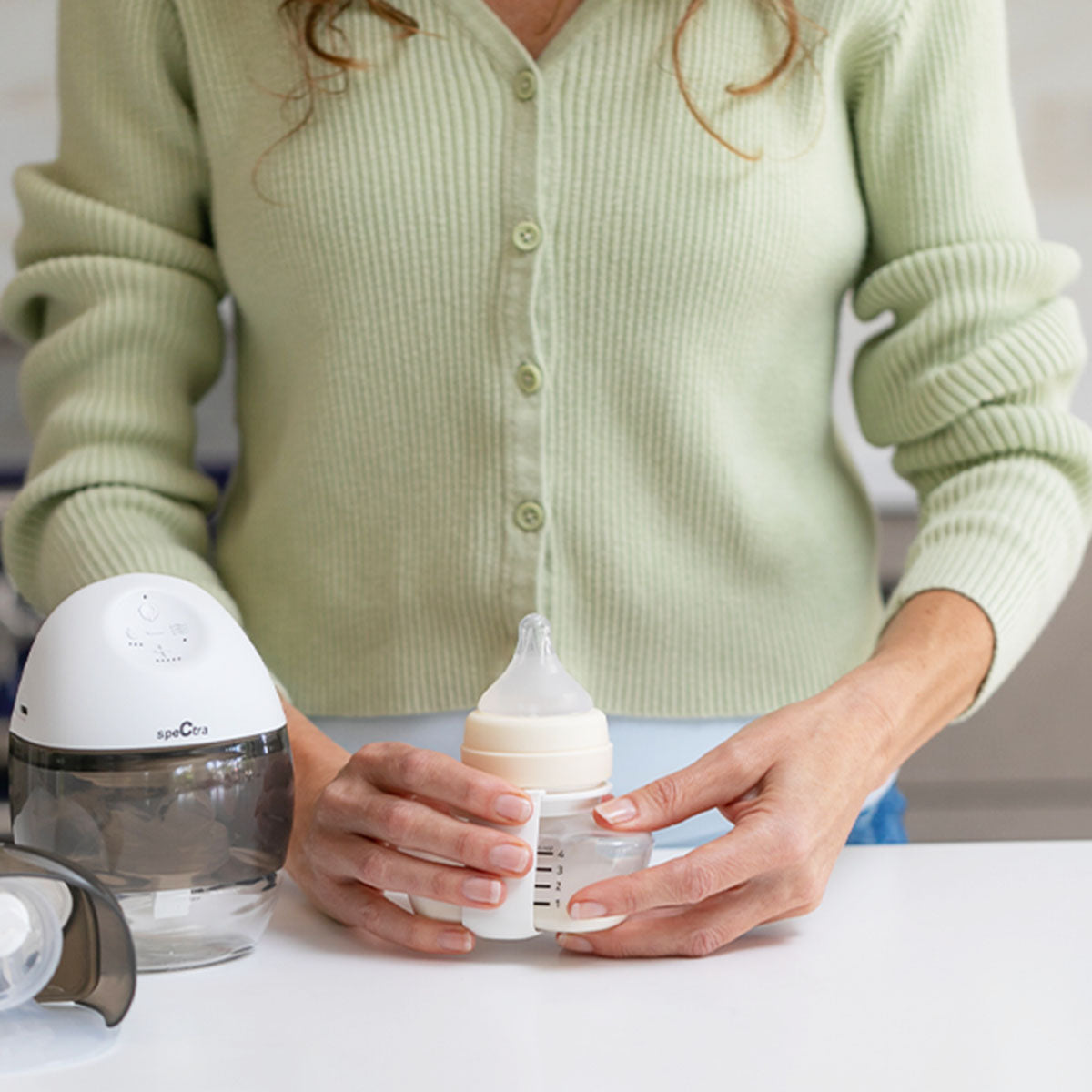
Whether you're hitting the beach or road-tripping to grandma's, keeping up with your pumping routine doesn't have to slow you down. Meet the must have accessory for pumping on the go — Spectra's CaraCups, compatible with all Spectra Baby USA breast pumps. These lightweight, BPA/DEHP-free wearable milk collection cups slip discreetly into your bra for completely hands-free pumping experience with no hanging bottles.
The best part? CaraCups come with two powerhouse Spectra pumps:
The Pumping On-The-Go bundle pairs the portable and lightweight Spectra 9 Plus with CaraCups for a fully hands-free, customizable pumping experience you can take anywhere.
The On-The-Go Plus bundle combines the Synergy Gold Portable pump with CaraCups — a discreet, hands-free duo with double adjustable suction for moms who need to pump while on the move.
Caracup pump bundles include 24mm and 28mm flanges for a comfortable, secure fit.
Looking for everything you need in one bundle? The Spectra Ultimate Bundle pairs hospital-strength suction with wearable freedom — the S1 Plus and Spectra Premier Wearable Breast Pump all in one. Add the Spectra Pink Cooler and Wide Neck Bottles Kit plus Disposable Milk Collection Bags, and you've got everything you need to protect your liquid gold all summer long.
Have questions about medications, milk supply, or pumping on the go? Our IBCLCs are here for you. Schedule a complimentary consultation at spectrababyusa.com.
Sources:
InfantRisk Center: Krutsch, K. (n.d.). What breastfeeding moms need to know about tirzepatide. InfantRisk Center. https://www.infantrisk.com/content/what-breastfeeding-moms-need-know-about-tirzepatide
NCBI/LactMed: National Institute of Child Health and Human Development. (2024, December 15). Semaglutide. In Drugs and lactation database (LactMed®). National Library of Medicine. https://www.ncbi.nlm.nih.gov/books/NBK500980/
By: Melissa Portunato MA, IBCLC
Read More Posts

Seasonal allergies can make motherhood feel even more exhausting. Between sneezing, congestion, itchy eyes, and sinus pressure, many breastfeeding mothers wonder if they can safely take allergy me...

You did it! You grew a baby, you delivered a baby, and now your making milk for a baby! The first week with a newborn is magical and messy all at the same time, and whether you're scrolling this ...